Ditch the Charger! Are USB-C Batteries Good for the Nikon D610?
- Nathaniel Stephan
- July 27, 2026
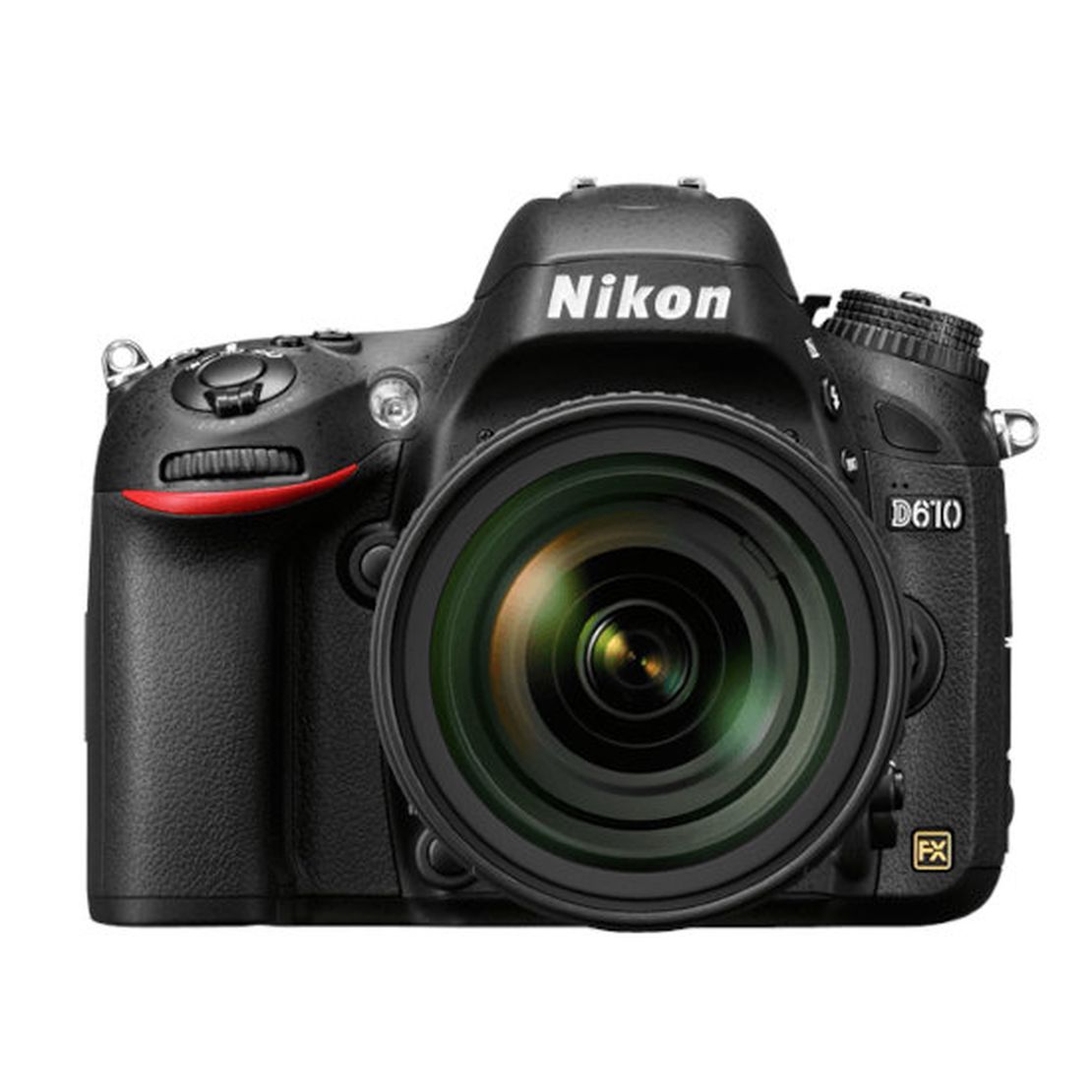
Table of Contents
The Nikon D610 is compatible with EN-EL15 and EN-EL15c batteries.
Note: The D610 cannot charge batteries in-camera. The USB port is for data transfer only.
The official charger is the Nikon MH-25, but third-party USB-C chargers are a practical alternative. Some newer third-party batteries even include built-in USB-C charging, eliminating the need for a dedicated charger altogether.
Third-party batteries are significantly cheaper than OEM Nikon batteries. In my testing, they deliver around 90% of the capacity of an official Nikon battery. Models with built-in USB-C charging may be closer to 85% due to the additional electronics.
I only recommend OEM Nikon batteries for professional use.
Nikon D610 Battery
The Nikon D610 originally shipped with a EN-EL15 battery. The EN-EL15c is the current version and is still sold by Nikon, while older EN-EL15 variants remain compatible.
Official Nikon batteries are expensive. Two third-party batteries will typically cost less than a single OEM battery. When purchasing third-party batteries, buy from an authorized Nikon dealer to avoid counterfeits.
Some newer third-party batteries include integrated USB-C charging for added convenience.
Affiliate Advertising Disclosure
Outside the Shot is a participant in the Amazon Services LLC Associates Program, an affiliate advertising program designed to provide a means for sites to earn advertising fees by advertising and linking to Amazon.com. As an eBay Partner, I may be compensated if you make a purchase. I also participate in affiliate advertising programs with KEH, and WEX Photo Video. More can be found on the Affiliate Disclosure page.
Nikon EN-EL15
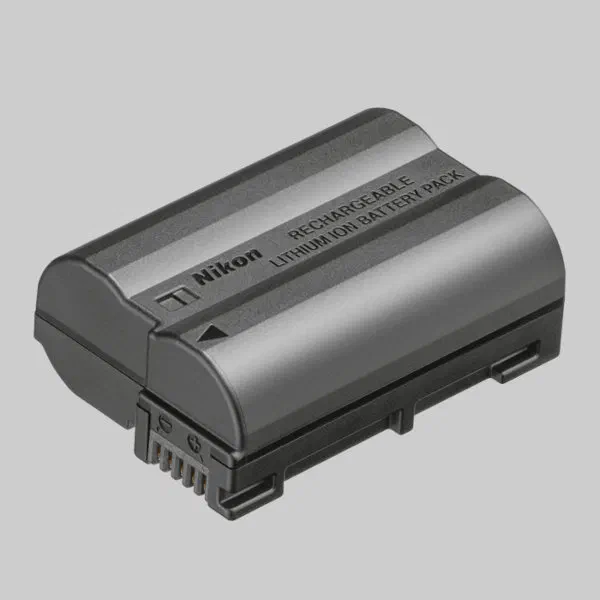
- Original Nikon battery
- Highest quality
- Expensive
See current price and information:
Battery with USB-C Charging
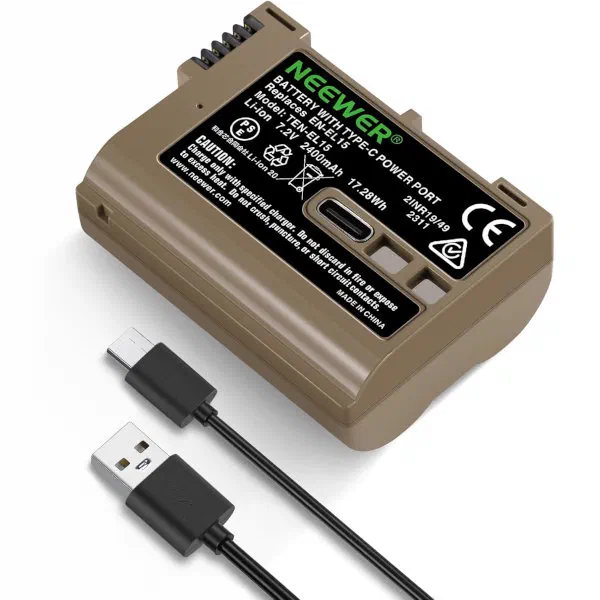
- Built-in USB-C charging
- Convenient
- Fast charging
See current price and information:
What’s the Difference Between EN-EL15 Versions?
| Battery Model | Compatibility | Capacity | Energy |
|---|---|---|---|
| EN-EL15c | Z 8, Z f, Z6III, Z 6II, Z 7II, Z 6, Z 7, Z 5, D780 | 2280mAh | 16Wh |
| EN-EL15b | Z 8, Z f, Z6III, Z 6II, Z 7II, Z 6, Z 7, Z 5, D780 | 1900mAh | 14Wh |
| EN-EL15a | Requires MH-25 or MH-25a charger | 1900mAh | 14Wh |
| EN-EL15 | Not supported on Z 8, Z f, Z6III | 1900mAh | 14Wh |
Nikon currently sells only the EN-EL15c. All earlier versions have been discontinued.
Nikon Support: EN-EL15, EN-EL15a, EN-EL15b & EN-EL15c Battery Compatibility
How Long Does a Nikon D610 Battery Last?
The Nikon D610 has a CIPA rating of 900 shots per charge. Using Live View will reduce this figure.
It can also record approximately 110 minutes of video at 1080p30 720p60. (Nikon D610 Manual — Battery Life)
Battery capacity degrades gradually with each charge cycle. Third-party batteries tend to degrade faster than OEM Nikon batteries in my experience. Lithium-ion batteries are generally rated for 400–500 charge cycles, though Nikon does not publish an official cycle rating for EN-EL15 batteries.
Battery Grip
The Nikon MB-D16 is the official battery grip for the D610. It extends battery life and adds portrait-orientation controls.
How to Charge the Battery
The USB port on the Nikon D610 is for data transfer only — it does not support in-camera charging.
You will need a Nikon MH-25 charger, or a compatible third-party charger.
Alternatively, third-party batteries with built-in USB-C charging remove the need for a separate charger entirely. These batteries may have around 10% less capacity due to the space taken up by the USB-C circuitry, but the cost savings of buying two or more still outweigh a single official Nikon battery.
Signs of Battery Failure
Watch for the following warning signs:
- Rapid discharge — Capacity naturally decreases with charge cycles. After hundreds of cycles, the reduction becomes noticeable.
- Swelling or bulging — A swollen battery is unsafe, especially if it no longer fits in the battery compartment.
- Spinning on a flat surface — A battery that spins like a top has likely warped due to internal damage.
- Excessive heat during charging — Heat indicates high internal resistance, a sign of an old or damaged battery.
Battery Disposal
Lithium-ion batteries are a fire hazard and may contain heavy metals that can contaminate water supplies. Do not dispose of them in regular trash. Take them to a recycling facility or hazardous waste collection point.