Nikon D3100 Battery Guide: Charging Options and USB-C Alternatives
- Nathaniel Stephan
- November 8, 2025
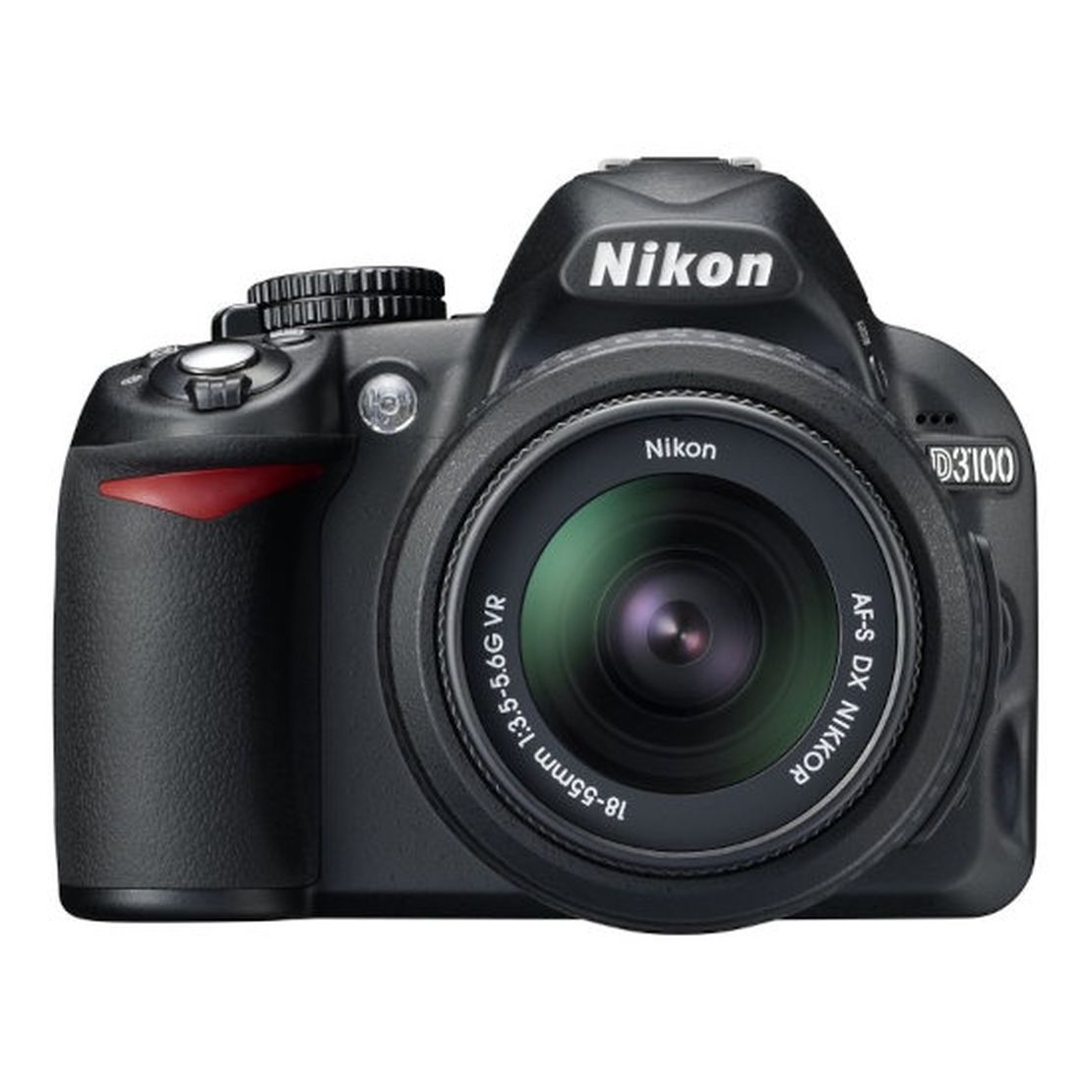
Table of Contents
The Nikon D3100 is compatible with EN-EL14 and EN-EL14a batteries.
Note: The D3100 cannot charge batteries in-camera. The USB port is for data transfer only.
The official charger is the Nikon MH-24, but third-party USB-C chargers are a practical alternative. Some newer third-party batteries even include built-in USB-C charging, eliminating the need for a dedicated charger altogether.
Third-party batteries are significantly cheaper than OEM Nikon batteries. In my testing, they deliver around 90% of the capacity of an official Nikon battery. Models with built-in USB-C charging may be closer to 85% due to the additional electronics.
I only recommend OEM Nikon batteries for professional use.
Nikon D3100 Battery
The D3100 originally shipped with a Nikon EN-EL14 battery, which has since been discontinued. The EN-EL14a is the compatible replacement and is still sold by Nikon.
However, OEM EN-EL14a batteries are expensive relative to the value of the D3100. Multiple third-party batteries will typically cost less than a single official Nikon battery. When purchasing third-party batteries, buy from an authorized Nikon dealer to avoid counterfeits.
Some newer third-party batteries include integrated USB-C charging for added convenience.
Affiliate Advertising Disclosure
Outside the Shot is a participant in the Amazon Services LLC Associates Program, an affiliate advertising program designed to provide a means for sites to earn advertising fees by advertising and linking to Amazon.com. As an eBay Partner, I may be compensated if you make a purchase. I also participate in affiliate advertising programs with KEH, and WEX Photo Video. More can be found on the Affiliate Disclosure page.
Nikon EN-EL14a
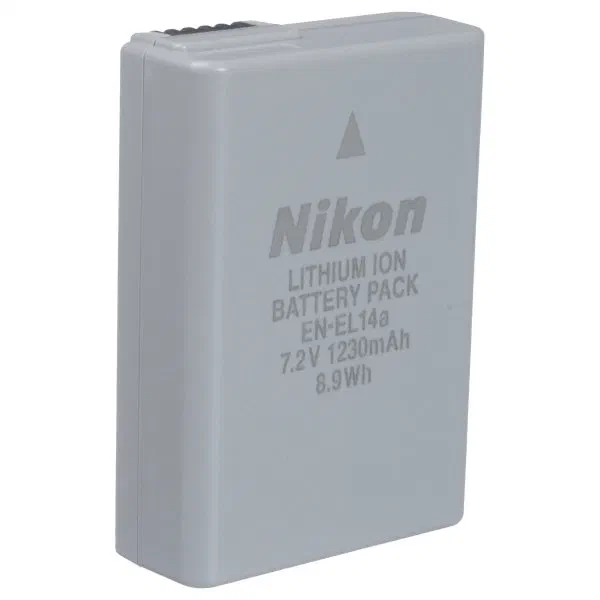
- Original Nikon battery
- Highest quality
- Expensive
See current price and information:
Battery with USB-C Charging
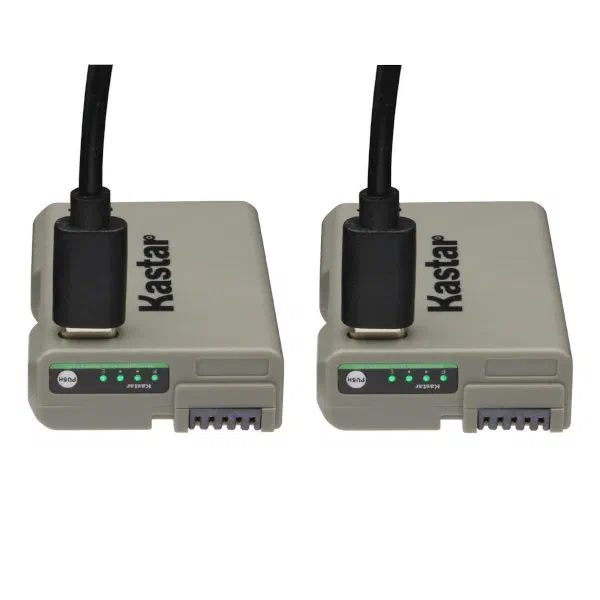
See current price and information:
What’s the Difference Between EN-EL14 and EN-EL14a?
| Battery Model | Voltage | Capacity | Energy |
|---|---|---|---|
| EN-EL14 | 7.4V | 1030mAh | 7.7Wh |
| EN-EL14a | 7.2V | 1230mAh | 8.9Wh |
The EN-EL14a offers higher capacity than the original EN-EL14 while sharing the same physical dimensions. The EN-EL14 has been discontinued and is no longer sold new by Nikon.
Nikon Support: EN-EL14 and EN-EL14a Battery Compatibility
How Long Does a Nikon D3100 Battery Last?
The D3100 has a CIPA rating of 970 shots per charge. Using Live View will reduce this figure.
It can also record approximately 70 minutes of video at 1080p. Note that individual clips are limited to 30 minutes or 4GB, whichever comes first. (Nikon D3100 Manual — Battery Life)
Battery capacity degrades gradually with each charge cycle. Third-party batteries tend to degrade faster than OEM Nikon batteries in my experience. Lithium-ion batteries are generally rated for 400–500 charge cycles, though Nikon does not publish an official cycle rating for EN-EL14 batteries.
Battery Grip
There is no official battery grip for the D3100. Third-party options exist, but I have not personally tested any.
How to Charge the Battery
The USB port on the D3100 is for data transfer only — it does not support in-camera charging.
You will need a Nikon MH-24 charger, or a compatible third-party charger. Alternatively, third-party batteries with built-in USB-C charging remove the need for a separate charger entirely. These batteries may have around 10% less capacity due to the space taken up by the USB-C circuitry, but the cost savings of buying two or more still outweigh a single official Nikon battery.
Signs of Battery Failure
Watch for the following warning signs:
- Rapid discharge — Capacity naturally decreases with charge cycles. After hundreds of cycles, the reduction becomes noticeable.
- Swelling or bulging — A swollen battery is unsafe, especially if it no longer fits in the battery compartment.
- Spinning on a flat surface — A battery that spins like a top has likely warped due to internal damage.
- Excessive heat during charging — Heat indicates high internal resistance, a sign of an old or damaged battery.
Battery Disposal
Lithium-ion batteries are a fire hazard and may contain heavy metals that can contaminate water supplies. Do not dispose of them in regular trash. Take them to a recycling facility or hazardous waste collection point.